Your sewer line is the backbone of your plumbing system, carrying wastewater safely away from your home. But because it’s buried underground, most sewer issues go unnoticed until they turn into major emergencies. Slow drains, foul odors, gurgling toilets, and recurring clogs are often dismissed as minor problems when they’re actually early warning signs of deeper sewer line trouble. Understanding what causes sewer line issues—and how to identify the symptoms early—can prevent expensive repairs, sewage backups, and serious property damage.
According to Family Handyman, most sewer failures begin with small blockages or cracks that worsen over time as pressure builds inside the line. The Spruce explains that tree roots, corrosion, and shifting soil are leading causes of sewer pipe deterioration. Meanwhile, Consumer Reports notes that underground pipe leaks often go undetected until they cause structural or landscaping damage.
What Causes Sewer Line Problems?
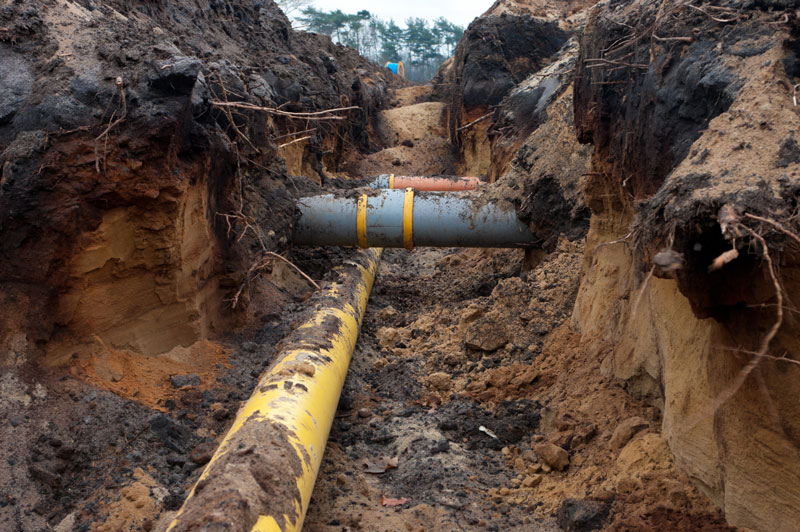
Sewer lines face constant pressure from water flow, soil conditions, and aging materials. The most common causes of sewer line issues include:
- Tree root intrusion penetrating joints and blocking flow
- Pipe corrosion weakening the line over time
- Grease buildup from kitchen drains solidifying inside the pipe
- Shifting soil causing pipe misalignment or collapse
- Foreign objects flushed into toilets or drains
- Aging materials such as cast iron or clay pipes
Because these problems occur underground, homeowners often don’t notice anything until the sewer line is severely compromised.
Signs Your Sewer Line Needs Attention
Most sewer line issues show subtle symptoms long before a major backup occurs. Warning signs include:
- Gurgling sounds from toilets or drains
- Water backing up into tubs, sinks, or showers
- Multiple drains clogging at the same time
- Persistent sewer odors around your home
- Wet patches, sinkholes, or unusually green grass
- Slow drainage throughout the house
If more than one drain slows down at the same time, the issue is almost always deeper in the sewer line—not at the fixture.
Why DIY Fixes Don’t Solve Sewer Problems
Sewer issues cannot be resolved with plungers, snakes, or chemical cleaners. These DIY methods often make the situation worse by pushing debris deeper into the line or damaging fragile pipes. Homeowners who attempt DIY sewer repairs often end up facing:
- Worsened blockages
- Pipe damage from harsh chemical drain cleaners
- Misdiagnosed issues that lead to repeated backups
- Dangerous sewage exposure
Because sewer lines carry waste and require specialized tools, only trained plumbers can safely and accurately diagnose and repair the problem.
How Professional Sewer Line Services Work
A licensed sewer specialist uses advanced tools to find and fix problems quickly. Professional sewer services include:
- Camera inspections to locate cracks, roots, and blockages
- Hydrojetting to remove heavy buildup and roots
- Pipe repair for damaged or corroded sections
- Main line clearing to restore proper flow
Camera inspections are especially important because they provide visual confirmation of what’s happening underground without excavation.
The Cost of Ignoring Sewer Line Problems
Delaying sewer repairs can lead to severe and expensive consequences, including:
- Sewage backups inside the home
- Extensive water damage to flooring and walls
- Mold and contamination risks
- Landscape destruction from underground leaks
- Full pipe collapse requiring major excavation
Addressing sewer line issues early is far more affordable than waiting until the system fails completely.
Preventing Future Sewer Line Issues
Homeowners can reduce the risk of sewer problems by practicing good habits and scheduling routine maintenance. Effective prevention includes:
- Avoiding flushing wipes, paper towels, or hygiene products
- Keeping grease out of kitchen drains
- Scheduling annual camera inspections
- Removing large trees planted too close to sewer lines
- Addressing slow drains immediately
Proactive care helps extend the life of your sewer system and prevents costly repairs.
Your Long Beach Experts for Sewer Line Services
When sewer odors, backups, or underground leaks threaten your home, Neighborhood Plumbing provides reliable, professional Sewer Line services designed to restore proper flow and prevent major damage. For fast diagnostics, expert repairs, and trusted support, reach out anytime through our Contact Us page for immediate assistance.