Most plumbing problems don’t start where you can see them. While slow drains, gurgling noises, or rising water levels may seem like simple clogs, the real issue is often hidden deep inside your sewer or drain lines. Cracks, roots, grease buildup, corrosion, and foreign objects frequently sit far beyond the reach of plungers or basic tools. This is why camera inspections have become one of the most valuable diagnostic tools in modern plumbing—offering a clear, real-time look inside your pipes without digging or guesswork.
According to Family Handyman, many of the most severe sewer blockages are caused by debris, roots, or collapsed pipe sections hidden underground. The Spruce notes that camera inspections reveal problems that would otherwise require excavation to diagnose. Meanwhile, Consumer Reports warns that delayed detection of underground pipe issues often results in major structural and water damage.
Why Plumbing Problems Stay Hidden
Because drain and sewer lines are buried underground or tucked behind walls, major plumbing issues often go unnoticed until they become emergencies. Common hidden problems include:
- Tree root intrusion cracking or blocking pipes
- Accumulated grease, soap scum, and debris
- Corroded or deteriorating pipe walls
- Foreign objects lodged deep inside the system
- Collapsed or misaligned pipe sections
Without specialized tools, diagnosing these issues is nearly impossible—leading to misdiagnosed problems and repeated clogs.
Signs You Need a Professional Camera Inspection
Most homeowners don’t realize they have a serious plumbing issue until the symptoms escalate. You may need a camera inspection if you notice:
- Slow draining in multiple fixtures
- Frequent clogs that return even after cleaning
- Sewage odors around the home or yard
- Gurgling sounds in toilets or drains
- Wet patches or sinkholes forming outside
- Water backing up into tubs or sinks
These symptoms typically indicate deeper sewer line issues that can only be located with a camera inspection.
How Camera Inspections Work
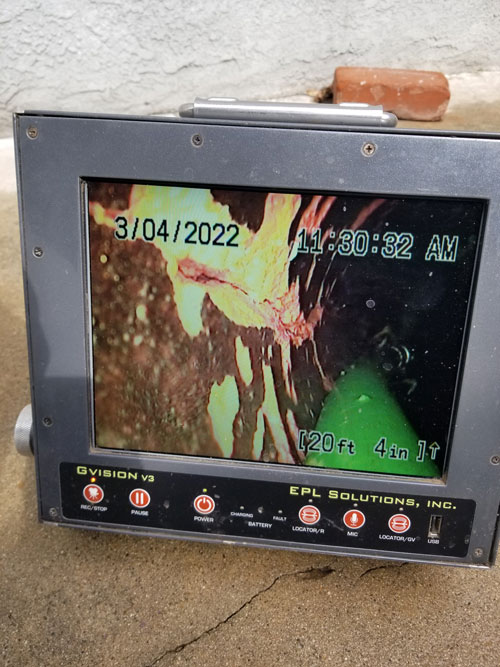
A camera inspection uses a flexible, waterproof high-resolution camera attached to a long cable. As the plumber feeds the camera through your pipes, real-time video displays on a monitor—revealing exactly what’s happening inside. This process allows technicians to:
- Locate blockages with pinpoint accuracy
- Identify cracks, corrosion, or pipe collapse
- Spot tree roots or foreign objects
- Measure the extent of buildup or damage
- Determine the most effective repair method
The inspection is safe, non-invasive, and doesn’t require digging into your yard or cutting into walls.
Why Camera Inspections Save You Money
Before camera inspections were available, plumbers often had to rely on guesswork or excavation to diagnose sewer problems. Today, homeowners benefit from:
- Accurate diagnosis without unnecessary digging
- Faster repairs and reduced labor costs
- Prevention of major emergencies
- Early detection of leaks or structural issues
- Detailed insight before purchasing a home
Camera inspections also provide video evidence—helpful when dealing with home insurance or preparing for sewer line repairs.
When to Schedule a Camera Inspection
You should consider a camera inspection when:
- You’re buying or selling a home
- Your drains repeatedly clog
- You experience unexplained sewer odors
- Your yard shows signs of underground leaks
- Your plumbing is older or made from outdated materials
- You’re planning major sewer or drain repairs
Routine inspections can prevent major plumbing disasters before they start.
Your Long Beach Experts for Camera Inspections
When hidden clogs, sewer issues, or underground leaks threaten your home, Neighborhood Plumbing provides precise and reliable Camera Inspections to identify problems quickly and accurately. For fast scheduling, expert diagnostics, and trusted service, reach out anytime through our Contact Us page for professional assistance.